
Choosing the right visa option is an important step when planning a trip to Vietnam. Understanding Vietnam E-Visa vs Visa on Arrival helps international travelers compare application procedures, eligibility requirements, entry conditions, and processing considerations before departure. While the e-visa offers an online application process, Visa on Arrival follows a different procedure and is available only under specific conditions. Selecting the appropriate option can help travelers avoid unnecessary delays and complications at immigration checkpoints. In this guide, Visa Vietnam Online 247 explains the key differences between these two visa routes, helping visitors identify the most suitable option for their travel plans and prepare the necessary documents with confidence.
Eligibility and Purpose: Vietnam E-Visa vs Visa on Arrival
Understanding Vietnam E-Visa vs Visa on Arrival begins with identifying who can use each visa route and which travel purposes they support. Although both may allow eligible foreigners to enter Vietnam, their application conditions and approval procedures are different.
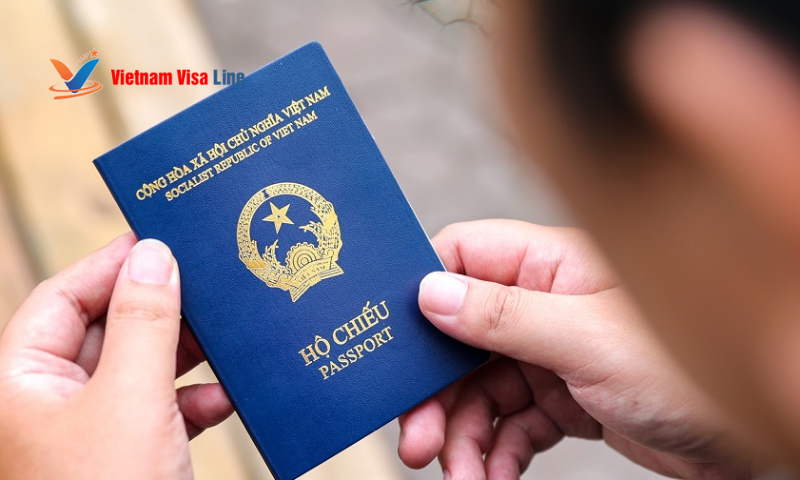
Vietnam E-Visa vs Visa on Arrival
Vietnam E-Visa Eligibility
Vietnam’s electronic visa system allows eligible foreign passport holders to apply online before traveling. An approved e-visa can be valid for up to 90 days, with single-entry or multiple-entry options.
This route may be suitable for:
- Tourists: Visitors planning holidays, sightseeing trips, or family vacations.
- Business visitors: Travelers attending eligible meetings or business activities.
- Independent travelers: Applicants who prefer submitting their visa information online.
- Regional travelers: Visitors planning to enter Vietnam more than once during the visa’s validity period.
Applicants must hold a valid passport, be outside Vietnam when applying, and meet the applicable immigration requirements.
Visa on Arrival Eligibility
Visa on Arrival refers to visa issuance at an authorized Vietnamese border checkpoint under an eligible, prearranged immigration procedure. It should not be understood as a visa that any traveler can obtain simply by arriving at the airport.
This route may apply in specific circumstances, such as:
- Travelers whose entry has been arranged through an eligible sponsoring or inviting organization.
- Applicants who have received the required immigration approval before departure.
- Foreign visitors whose circumstances fall within Vietnam’s permitted border-checkpoint visa issuance procedures.
Visa Vietnam Online 247 recommends confirming the applicable visa category before making travel arrangements, particularly when a traveler is considering an arrival-based procedure.
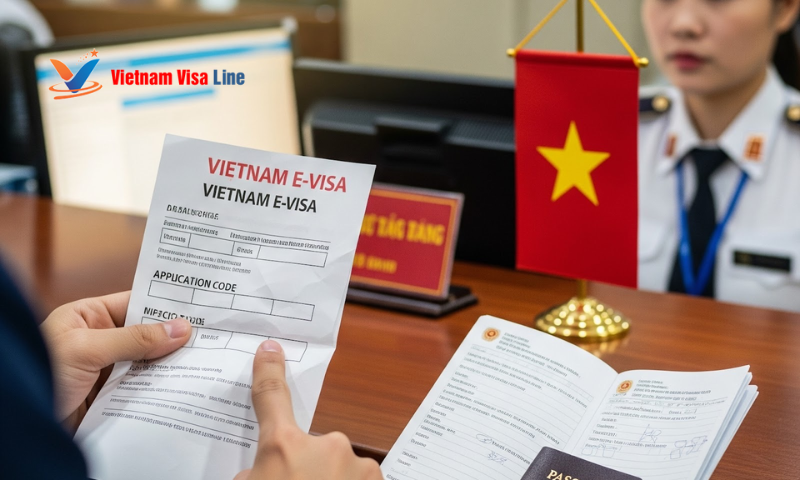
Vietnam E-Visa vs Visa on Arrival
See more: Vietnam Visa Extension: Available Routes and Checks
Where and When Each Application Happens
One of the main differences between Vietnam E-Visa vs Visa on Arrival is where the application is processed and when the traveler receives the visa.
Vietnam E-Visa Application Process
The e-visa application is completed online before departure through Vietnam’s official electronic visa system.
The typical process includes:
- Access the official Vietnam E-Visa Portal.
- Complete the application with accurate personal and passport details.
- Select the appropriate entry type and intended validity dates.
- Upload the required passport image and portrait photograph.
- Pay the government application fee.
- Check the application status and download the approved e-visa.
Travelers should apply sufficiently early to allow time for processing or corrections if needed.
An e-visa must be approved before the traveler uses it to enter Vietnam.
Visa on Arrival Procedure
For eligible travelers, the Visa on Arrival route generally involves obtaining immigration authorization before traveling and completing visa issuance formalities at the designated checkpoint.
Important considerations include:
- Pre-arrival approval: The traveler must obtain the required authorization through the appropriate procedure.
- Entry location: Visa issuance must take place at a checkpoint authorized for the specific case.
- Supporting documents: Travelers must carry the approval documentation and other required materials.
- Arrival processing: Immigration officers verify the documents before issuing the visa.
An approval letter or authorization is not necessarily the visa itself. Travelers should verify exactly what they must present before boarding their flight.
For most travelers eligible for an e-visa, the online application route is generally more straightforward than arranging visa issuance upon arrival.
Vietnam E-Visa vs Visa on Arrival
Fees, Documents and Arrival Procedure
When comparing Vietnam E-Visa vs Visa on Arrival, travelers should consider the total cost, required documents, and steps involved in entering Vietnam.
The following table summarizes the main differences:
| Criteria | Vietnam E-Visa | Visa on Arrival |
| Application method | Online through the official e-visa portal | Prearranged immigration authorization under an eligible procedure |
| Approval timing | Before departure | Authorization before departure; visa issuance at the checkpoint |
| Government fee | USD 25 for single entry; USD 50 for multiple entry | Depends on the applicable visa category and issuance procedure |
| Passport | Valid passport required | Valid passport required |
| Supporting documents | Application information, passport image, and portrait photograph | Immigration approval and documents required for the specific case |
| Entry checkpoints | Government-approved e-visa airports, land borders, and seaports | Authorized checkpoints specified by the applicable procedure |
| Arrival process | Present the approved e-visa and passport for immigration inspection | Complete visa issuance formalities before immigration entry clearance |
| Main consideration | Convenient online application before travel | Eligibility and prior approval must be confirmed |
Note: Government fees and document requirements may change. Additional service fees may apply when travelers use a private visa assistance provider.
Documents to Prepare
For an e-visa application, travelers should prepare:
- A valid passport with accurate personal information.
- A suitable digital passport photograph.
- A clear image of the passport information page.
- Intended entry and departure dates.
- Information about the planned visit.
- A valid payment method for the application fee.
For Visa on Arrival, additional paperwork may be required depending on the type of immigration approval.
Travelers should not rely on an unverified approval letter or assume that an airline will permit boarding without acceptable immigration documentation.
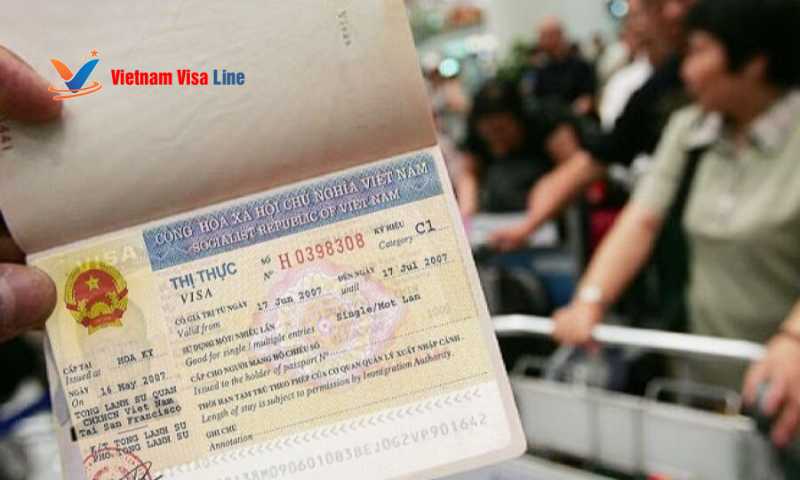
Vietnam E-Visa vs Visa on Arrival
See more: How Long Is Vietnam Visa Valid For? Visa Validity Explained
Arrival Considerations
Regardless of the visa route, travelers should check that:
- Passport information matches the approved visa or authorization.
- The visa is valid on the intended arrival date.
- The selected checkpoint accepts the relevant entry document.
- The purpose of the visit is consistent with the immigration permission.
- All required documents are available for inspection.
Careful preparation reduces the risk of delays at airline check-in and immigration control.
Decision Checklist for a Traveler
Choosing between Vietnam E-Visa vs Visa on Arrival requires travelers to consider their nationality, travel purpose, itinerary, and immigration requirements. To select the appropriate visa route and avoid unnecessary complications, travelers should review the following checklist before submitting an application.
- Check visa eligibility: Confirm whether your nationality qualifies for Vietnam’s e-visa program, visa-free entry, or another visa category. Travelers using a sponsored visa procedure should verify the necessary immigration approval.
- Review passport validity: Ensure your passport meets the requirements for the intended visa type and travel arrangements. Passport details must match the information provided in the application.
- Determine the number of entries: A single-entry e-visa is suitable for one continuous visit, while a multiple-entry option may be more convenient for travelers planning to leave and return to Vietnam.
- Confirm travel dates: Check the intended arrival and departure dates against the visa’s validity period. Travelers must not enter before the visa becomes valid or remain beyond their authorized stay.
- Verify the entry checkpoint: Ensure the selected airport, land border, or seaport accepts the relevant visa type. Travelers considering Visa on Arrival must confirm that their specific entry procedure is authorized.
- Compare application requirements: E-visa applicants generally submit their information online, while eligible Visa on Arrival cases require advance immigration authorization and additional formalities at the checkpoint.
- Review fees and processing arrangements: Check the applicable government fees, document requirements, and any additional service charges before making payment.
- Prepare documents before departure: Keep your passport, approved e-visa or immigration authorization, and other required documents available for airline check-in and immigration inspection.
Completing these checks helps travelers identify the visa route that best suits their circumstances. Visa Vietnam Online 247 can provide guidance on the differences between Vietnam E-Visa and Visa on Arrival, helping applicants understand the requirements and prepare their travel documentation with greater confidence.
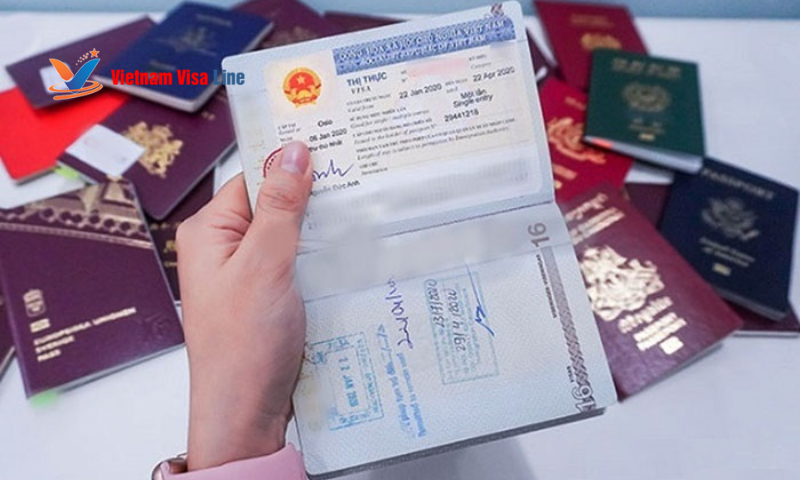
Vietnam E-Visa vs Visa on Arrival
Contact Visa Vietnam Online 247 for Visa Guidance
Understanding Vietnam E-Visa vs Visa on Arrival helps international travelers identify the appropriate immigration procedure before visiting Vietnam. The e-visa offers a direct online application process for eligible travelers, while Visa on Arrival is subject to specific authorization requirements and should not be treated as a general alternative available without advance approval. Choosing the right route requires checking eligibility, travel purpose, visa validity, entry checkpoints, government fees, and supporting documentation.
If you are preparing for a trip to Vietnam and need help understanding your visa options, Visa Vietnam Online 247 can provide guidance on application requirements, documentation, and suitable entry procedures.
Contact Visa Vietnam Online 247 to discuss your travel plans and receive assistance in preparing for a smoother Vietnam visa application experience.
 (+84) 9138 73100
