
Planning a trip to Vietnam and wondering, “Do I Need a Visa for Vietnam?” The answer depends on your passport nationality, intended length of stay, and travel plans. While some travelers qualify for visa-free entry, others must obtain an e-visa or another appropriate visa before departure. In this guide, Visa Vietnam Online 247 explains how to check visa requirements by passport, understand Vietnam’s visa exemption policies, and choose the right entry option for your trip.
Enter Nationality and Exact Travel Document
If you are asking, “Do I Need a Visa for Vietnam?”, the first step is to identify your passport nationality and the exact travel document you will use. Vietnam’s entry requirements depend on the passport presented at immigration, not simply your country of residence or where your journey begins.
Before checking visa eligibility, confirm the following information:
- Passport nationality: Identify the country that issued your passport and your citizenship status.
- Passport type: Check whether you hold an ordinary, diplomatic, official, or other recognized travel document.
- Country of residence: Remember that living in another country does not automatically provide the same visa privileges as its citizens.
- Travel purpose: Specify whether your visit is for tourism, business, employment, or another activity.
- Length of stay: Calculate how many days you intend to remain in Vietnam.
- Number of entries: Determine whether you will enter Vietnam once or return after visiting another country.
For example, an Indian citizen residing in the United Kingdom should check Vietnam’s visa requirements for an Indian passport, not the exemption rules for British citizens.
Travelers holding dual nationality should also use the same passport consistently for their visa application, airline check-in, and Vietnamese immigration procedures.
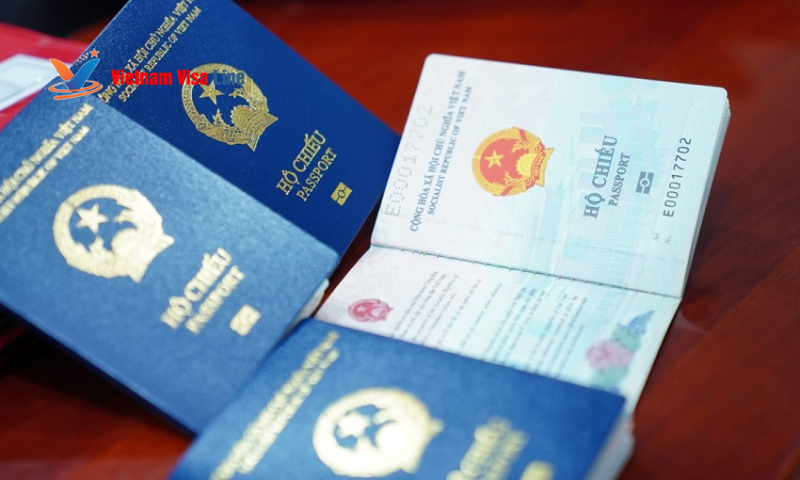
Do I Need a Visa for Vietnam
Check Bilateral or Unilateral Exemption
When researching do you need a visa for vietnam, checking Vietnam’s visa exemption policies is essential. Some foreign nationals can enter without obtaining a visa in advance, provided they meet the conditions associated with their nationality and passport type.
Unilateral Visa Exemption
Vietnam grants visa-free entry to citizens of certain countries under government exemption policies. As of November 2026, two major groups qualify for stays of up to 45 days.
| Eligible countries | Maximum visa-free stay | Policy validity |
| Denmark, Finland, France, Germany, Italy, Japan, South Korea, Norway, Russia, Spain, Sweden, United Kingdom | 45 days | March 15, 2025 – March 14, 2028 |
| Belgium, Bulgaria, Croatia, Czech Republic, Hungary, Luxembourg, Netherlands, Poland, Romania, Slovakia, Slovenia, Switzerland | 45 days for tourism | August 15, 2025 – August 14, 2028 |
Travelers should pay attention to these conditions:
- Nationality eligibility: The passport must qualify under the applicable exemption policy.
- Permitted duration: The visit must remain within the authorized visa-free period.
- Purpose of entry: Some exemptions apply specifically to tourism, while others cover broader purposes subject to entry regulations.
- Passport validity: Travelers generally need at least six months of passport validity from their entry date.
These policies may change, so travelers should verify their eligibility using official government guidance before departure.
Bilateral Visa Exemption
Vietnam also maintains bilateral agreements with various countries. These agreements can offer visa-free entry, but their conditions differ depending on the agreement and travel document.
Important factors include:
- Eligible passport categories: Some agreements apply to ordinary passports, while others cover only diplomatic or official passports.
- Permitted stay: Visa-free periods vary according to the relevant agreement.
- Travel purpose: Eligibility may depend on the activities permitted under the exemption.
- Additional conditions: Specific agreements may contain requirements concerning entry or duration of stay.
Travelers should not assume that a bilateral agreement automatically provides visa-free entry to every passport holder from the country concerned.
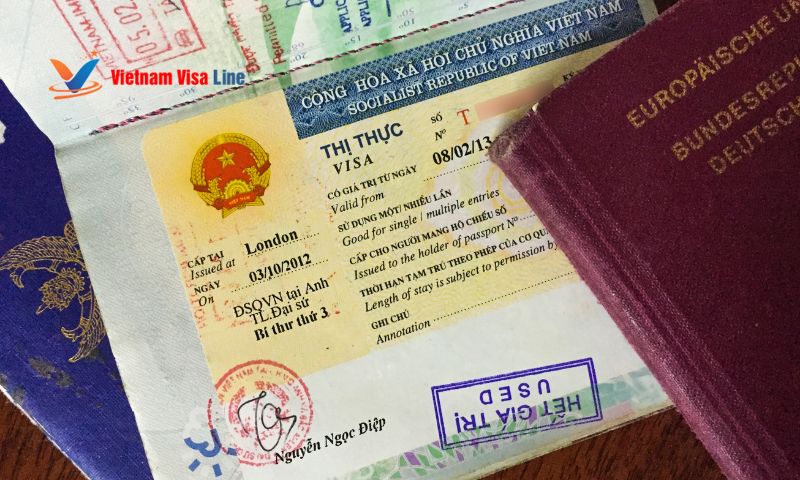
Do I Need a Visa for Vietnam
See more: How to Apply Vietnam Visa in Hong Kong
Special Visa Exemption for Phu Quoc Island
Vietnam also provides a special visa exemption for eligible foreign visitors traveling to Phu Quoc Island for up to 30 days.
Before relying on this exemption, check:
- Destination: Confirm that the itinerary qualifies for the Phu Quoc-specific exemption.
- Duration: Keep the visit within the permitted 30-day period.
- Travel route: Verify whether your arrival, transit, and departure arrangements satisfy the applicable conditions.
- Mainland travel: Check separate visa requirements if you plan to visit destinations outside the permitted exemption area.
This exemption is particularly relevant to travelers visiting Phu Quoc who may not otherwise qualify for Vietnam’s general visa-free entry policies.
When an E-Visa or Another Visa Is Needed
For travelers wondering who needs visa to enter vietnam, the answer depends on whether they qualify for an exemption, how long they plan to stay, and what activities they intend to undertake.
When to Apply for a Vietnam E-Visa
Vietnam offers electronic visas to citizens of all countries and territories, subject to immigration approval. An e-visa can be issued for up to 90 days, with single-entry and multiple-entry options.
An e-visa may be appropriate when:
- No exemption applies: Your passport does not qualify for visa-free entry under the relevant policy.
- Your stay exceeds the exemption period: You intend to remain in Vietnam beyond the number of visa-free days allowed.
- Multiple visits are planned: You need to leave and re-enter Vietnam during a longer trip.
- You want to arrange entry permission in advance: You prefer to obtain an approved visa before departure.
Travelers can apply through the official Vietnam Immigration Department portal at evisa.gov.vn. The exact period of stay depends on the dates approved on the issued e-visa, rather than an automatic 90-day entitlement.
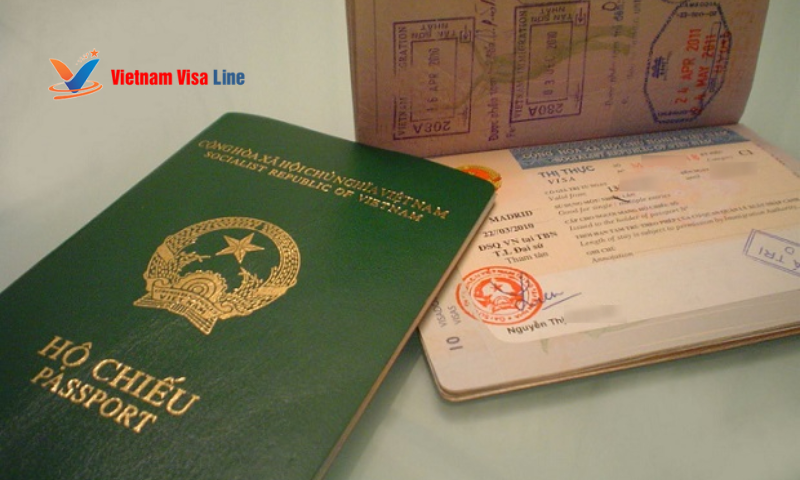
Do I Need a Visa for Vietnam
When Another Visa May Be Required
Although e-visas are convenient for tourism and certain other visits, they may not meet every traveler’s needs. Other immigration arrangements may be necessary in situations such as:
- Long-term stays: The intended visit exceeds the maximum e-visa validity.
- Employment or specialized activities: The travel purpose requires additional authorization or a different immigration status.
- Family-related residence: The traveler intends to stay under a family sponsorship or residence arrangement.
- Special travel documents: The applicant holds a document requiring additional eligibility checks.
In these cases, travelers should consult the Vietnamese embassy, consulate, or immigration authorities to determine the appropriate procedure.
See more: Vietnam Visa Hong Kong Cost: Fees and Application Expenses Explained
Cross-Check the Official Policy Before Travel
Even after identifying the correct visa category, travelers should verify the latest entry conditions before purchasing non-refundable travel arrangements or departing for Vietnam.
Check Official Government Sources
If you are still wondering, does vietnam require a visa for your specific passport, consult official sources rather than relying entirely on general travel advice.
Useful sources include:
- Vietnam Ministry of Foreign Affairs: Provides information on unilateral and bilateral visa exemptions.
- Vietnam Immigration Department: Publishes e-visa application information and official entry procedures.
- Vietnamese embassies and consulates: Offer guidance on passport-specific situations and visa categories.
- Your home government’s travel advice: May provide additional passport and departure guidance for its citizens.
Official sources should take priority when travel agencies or third-party websites provide conflicting information.
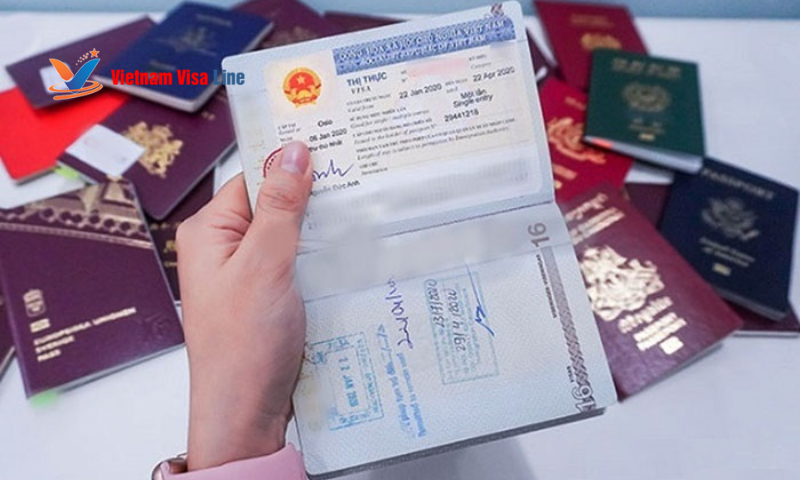
Do I Need a Visa for Vietnam
Verify Passport and Travel Details
Before departure, review the documents and information you will present during check-in and immigration clearance.
- Passport validity: Confirm that your passport meets Vietnam’s applicable validity requirements.
- Visa details: Check your full name, passport number, nationality, and approved validity dates.
- Arrival and departure dates: Ensure your itinerary stays within the authorized period.
- Entry and exit points: Confirm that your planned border crossings are permitted for your entry arrangement.
- Travel documents: Keep accessible copies of your approved e-visa, onward travel information, and accommodation details when relevant.
Errors in passport numbers or travel dates may create problems even when an e-visa has been approved.
Review Requirements Shortly Before Departure
Vietnam’s visa policies, electronic application procedures, and border requirements can change. Travelers should complete a final check before leaving.
- Reconfirm exemption eligibility: Make sure the relevant policy remains in effect on your arrival date.
- Check application status: If using an e-visa, confirm approval before departure.
- Review entry updates: Look for new immigration notices or changes to accepted border crossings.
- Check airline requirements: Ensure your travel documents satisfy the carrier’s boarding checks.
A final review helps reduce the risk of unexpected visa problems and makes travel planning more reliable.
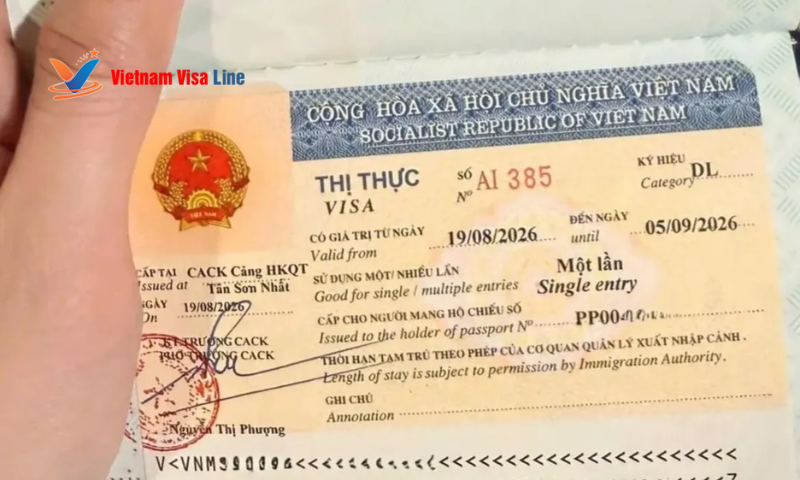
Do I Need a Visa for Vietnam
Check Your Vietnam Visa Requirements with Visa Vietnam Online 247
The answer to “Do I Need a Visa for Vietnam?” depends on your passport nationality, travel document, length of stay, and entry plans. While some travelers qualify for visa-free entry under unilateral or bilateral agreements, others need an e-visa or another appropriate visa before traveling.
If you are uncertain about your eligibility or need assistance preparing a visa application, Visa Vietnam Online 247 can help you review your travel circumstances and understand the available options. Checking the correct requirements before departure can help you avoid unnecessary application costs, documentation errors, and travel disruptions.
 (+84) 9138 73100
