
A Vietnam Multiple-Entry Visa offers international travelers the flexibility to enter and exit Vietnam several times within the visa’s validity period, making it a convenient option for tourists, business visitors, and those planning trips across Southeast Asia. However, choosing the right visa requires understanding the available e-visa options, eligibility criteria, validity periods, and entry conditions. In this guide, Visa Vietnam Online 247 explains the essential requirements and key considerations for obtaining a Vietnam Multiple-Entry Visa, helping travelers prepare their applications, avoid common mistakes, and plan their journeys with greater confidence.
Single Versus Multiple Entry for an Itinerary
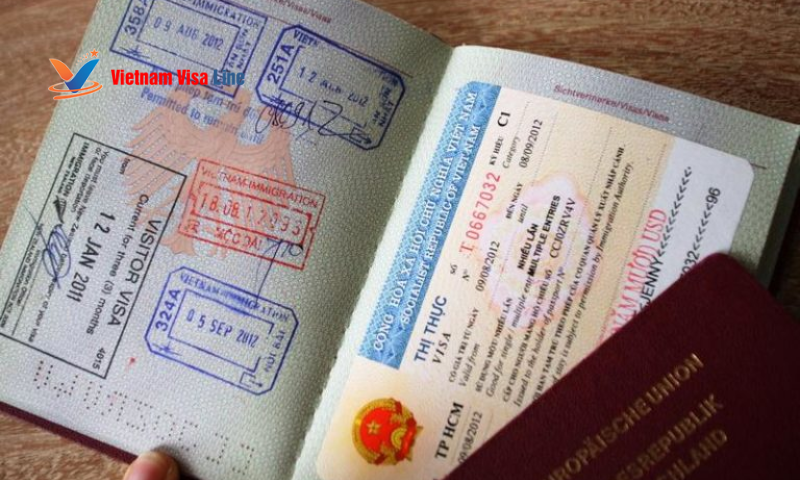
Choosing between a single-entry e-visa and a Vietnam Multiple-Entry Visa depends on the number of times travelers plan to enter Vietnam during their trip. While both options are available through Vietnam’s electronic visa system, they differ in entry permissions, travel flexibility, and suitability for different itineraries.
Vietnam Multiple-Entry Visa
The table below highlights the key differences to help travelers choose the appropriate visa type.
| Criteria | Single-Entry Vietnam E-Visa | Vietnam Multiple-Entry Visa |
| Number of entries | Allows one entry into Vietnam | Allows multiple entries during the visa’s validity |
| Visa validity | Up to 90 days | Up to 90 days |
| Re-entry permission | Cannot be reused after leaving Vietnam | Allows re-entry while the visa remains valid |
| Travel flexibility | Best for a continuous stay in Vietnam | Suitable for itineraries involving multiple countries |
| Ideal travelers | Tourists and business visitors making one trip | Regional tourists and frequent business visitors |
| Travel itinerary | Enter Vietnam, complete the visit, and depart | Enter Vietnam, visit another country, and return |
| Government fee | USD 25 | USD 50 |
| Main advantage | Lower cost for a single visit | Greater flexibility without repeated visa applications |
For travelers planning only one visit, a single-entry e-visa is generally the more economical option. However, those visiting neighboring countries before returning to Vietnam may benefit from a multiple entry visa Vietnam option.
Before applying, travelers should review their full itinerary, including departure dates, return plans, and visa validity, to ensure the selected entry type meets their travel needs. Visa Vietnam Online 247 can provide guidance on choosing the appropriate visa option and preparing the necessary application information.
Validity, Dates and Entry Ports
Understanding visa validity and border-entry requirements is essential when applying for a vietnam e visa multiple entry. Incorrect dates or unsuitable entry points may lead to travel complications.
Vietnam Multiple-Entry Visa
Visa Validity and Entry Dates
Vietnam currently offers electronic visas with a maximum validity of 90 days, available for single or multiple entries.
Important considerations include:
- Validity period: The approved visa specifies the dates during which it can be used.
- First entry: Travelers must not enter Vietnam before the visa becomes valid.
- Multiple visits: All entries and departures must take place within the approved validity period.
- Expiration date: A multiple-entry visa does not authorize travelers to remain in Vietnam after its expiration.
- Travel changes: Any itinerary adjustments should be checked against the approved visa details.
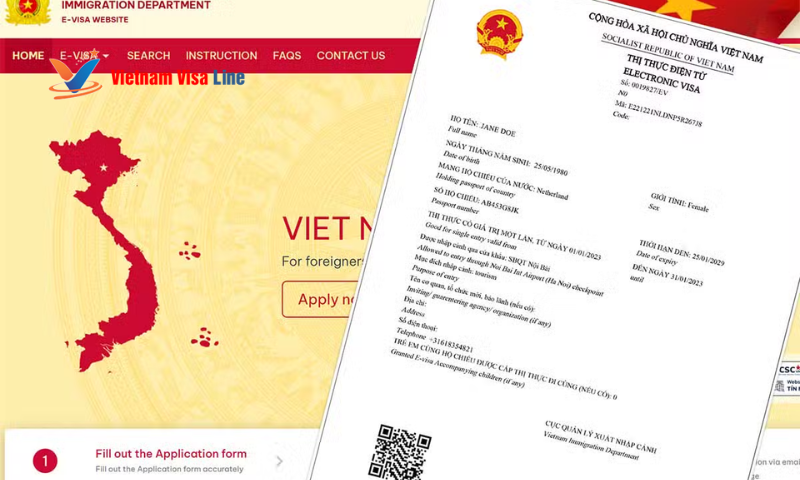
For example, if a multiple-entry e-visa is valid from November 1 to January 29, the traveler may plan more than one visit during that period, provided all relevant entry requirements are met.
The maximum 90-day validity is not automatically granted to every applicant. Travelers must follow the dates printed on their approved visas.
See more: Vietnam Visa for Cruise Ship Passengers
Entry and Exit Ports
Vietnamese electronic visas can be used only at government-approved entry and exit checkpoints.
These include designated:
- International airports: Suitable for travelers arriving or departing by air.
- Land border crossings: Useful for regional journeys involving neighboring countries.
- Seaports: Available for qualifying maritime arrivals and departures.
Before booking transportation, travelers should verify that the intended checkpoint accepts e-visas.
The official Vietnam E-Visa Portal provides information about electronic visa requirements and approved entry points.
Vietnam Multiple-Entry Visa
Fee Differences Between Single-Entry and Multiple-Entry E-Visas
Understanding the government fees is essential when choosing a Vietnam Multiple-Entry Visa. While a single-entry e-visa costs less, a multiple-entry e-visa may provide better value for travelers planning to leave and return to Vietnam during the same trip. The most suitable option depends on travel frequency, itinerary flexibility, and the approved visa validity period.
The table below compares the key costs and benefits of both options:
| Criteria | Single-Entry E-Visa | Multiple-Entry E-Visa |
| Government fee | USD 25 | USD 50 |
| Number of entries | One entry | Multiple entries |
| Maximum validity | Up to 90 days | Up to 90 days |
| Cost for one visit | More economical | Higher upfront fee |
| Cost for repeat visits | Requires a new visa after departure | Covers multiple entries within the approved validity |
| Travel flexibility | Suitable for a fixed itinerary | Better for flexible or multi-country trips |
| Best suited for | Travelers visiting Vietnam once | Travelers planning two or more entries |
| Additional service fees | May apply when using a visa assistance provider | May apply when using a visa assistance provider |
Note: These amounts are official government e-visa application fees, excluding any optional third-party service charges. Visa fees are generally non-refundable if an application is refused.
For travelers making a single visit, the USD 25 e-visa is usually the more cost-effective choice. However, those planning multiple entries may find the USD 50 Vietnam Multiple-Entry Visa more convenient, as it eliminates the need to apply for a separate visa before each return during the approved validity period.
Before submitting an application, travelers should verify the latest fees and requirements through the official Vietnam Immigration e-visa portal. Visa Vietnam Online 247 can assist travelers in understanding available visa options and choosing the most suitable entry type for their itinerary.
Examples of Repeat-Entry Trips
A vietnam multiple entry visa online application can be particularly useful when a traveler’s itinerary includes several border crossings.
The following examples illustrate common situations in which multiple-entry permission may be beneficial.
Vietnam Multiple-Entry Visa
Vietnam – Cambodia – Vietnam
A traveler plans to spend one week exploring Ho Chi Minh City and the Mekong Delta before visiting Cambodia. After several days in Cambodia, the traveler returns to Vietnam for a flight home.
Example itinerary:
- Days 1–7: Explore Ho Chi Minh City and southern Vietnam.
- Days 8–12: Travel to Cambodia.
- Days 13–15: Return to Vietnam before the international departure.
Because the traveler enters Vietnam twice, a multiple-entry visa may be the appropriate option.
Vietnam – Thailand – Vietnam
A tourist wants to explore Hanoi and Ha Long Bay, visit Bangkok, and then return to Da Nang for a beach holiday.
The itinerary could include:
- First visit: Hanoi and northern Vietnam.
- Second destination: Bangkok, Thailand.
- Return visit: Da Nang and Hoi An.
- Final departure: Leave Vietnam for the home country.
A multiple-entry e-visa can accommodate both Vietnam visits within the approved validity period.
Vietnam Multiple-Entry Visa
See more: Vietnam Transit Visa: When Do You Need One?
Multiple Business Visits to Vietnam
A business traveler needs to attend meetings in Vietnam across several weeks, with work commitments in other countries between visits.
For example:
- Week 1: Meetings in Hanoi.
- Week 2: Business activities in Singapore.
- Week 3: Return to Ho Chi Minh City.
- Week 4: Depart Vietnam after completing scheduled meetings.
In this situation, multiple-entry permission may reduce the need for repeated visa applications.
However, travelers should confirm that their intended activities are compatible with their immigration status. A multiple-entry e-visa does not automatically provide authorization to work in Vietnam.
Regional Travel Across Southeast Asia
Some travelers use Vietnam as a starting and ending point for a wider Southeast Asian journey.
Their itinerary might include Vietnam, Laos, Thailand, and a final return to Vietnam.
A multiple-entry visa can offer flexibility for this type of travel, provided the traveler:
- Holds a valid passport and approved visa.
- Uses eligible border checkpoints.
- Returns before the visa expires.
- Meets the immigration requirements for each country visited.
Planning these details in advance helps prevent unnecessary changes to transportation and accommodation bookings.
Vietnam Multiple-Entry Visa
Plan Your Vietnam Multiple-Entry Visa With Visa Vietnam Online 247
A Vietnam Multiple-Entry Visa provides flexibility for travelers who expect to enter and leave Vietnam more than once during their journey. Compared with a single-entry visa, it can be particularly convenient for regional holidays, business visits, and itineraries involving neighboring countries. However, choosing the right visa requires careful consideration of entry frequency, validity dates, approved border checkpoints, and application fees. Before submitting an application, travelers should review their complete itinerary and confirm that the selected visa meets their travel requirements.
Visa Vietnam Online 247 helps travelers better understand their Vietnam visa options and prepare for the application process. If you are considering a vietnam e visa multiple entry, contact Visa Vietnam Online 247 for guidance on choosing the appropriate entry type, reviewing application details, and planning your visit to Vietnam.
With the right preparation, travelers can approach their Vietnam journey with greater confidence and avoid common visa-related complications.
 (+84) 9138 73100
