
Planning a trip to Vietnam from India? Understanding the Vietnam Visa for Indians requirements is essential to ensure a smooth entry process. Indian passport holders generally need a valid visa before traveling to Vietnam, with the e-visa being a convenient option for tourism and other eligible purposes. In this guide, Visa Vietnam Online 247 explains the available visa options, application requirements, processing times, and important considerations to help Indian travelers prepare for their journey.
Requirements for Indian Passport Holders
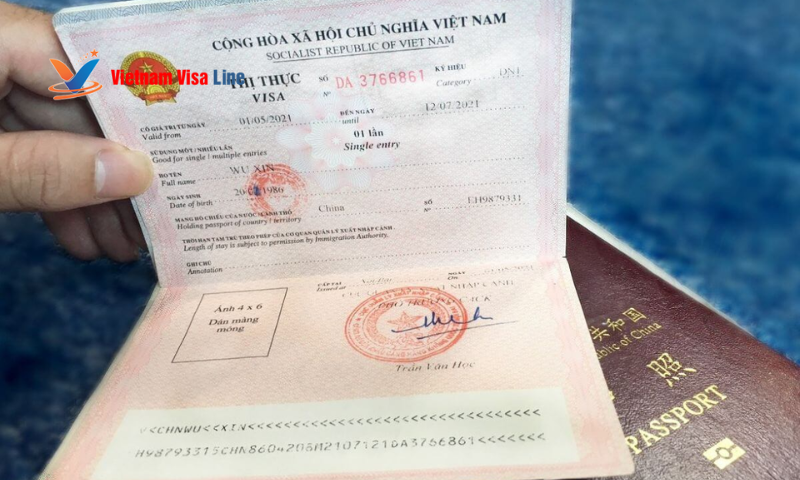
Indian citizens traveling to Vietnam generally need an approved visa before departure. For ordinary passport holders, the e-visa is a convenient option for tourism and other eligible short-term visits. Understanding the Vietnam Visa for Indians requirements helps travelers choose the appropriate visa and prepare the necessary documents. If you are wondering do indians need visa for vietnam, here are the main requirements and available options:
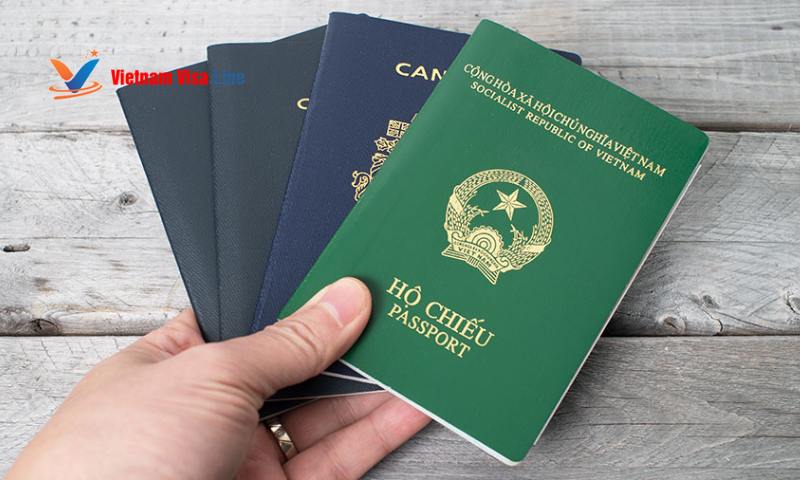
- Valid Indian passport: The passport should have at least six months of remaining validity from the intended arrival date.
- Approved visa: Ordinary Indian passport holders generally need an e-visa or another appropriate visa before entering Vietnam.
- Permitted travel purpose: The visa must be suitable for the intended activities, such as tourism or eligible business visits.
- Single-entry e-visa: Allows one entry into Vietnam during the approved validity period.
- Multiple-entry e-visa: Suitable for travelers planning to leave and re-enter Vietnam during the approved visa period.
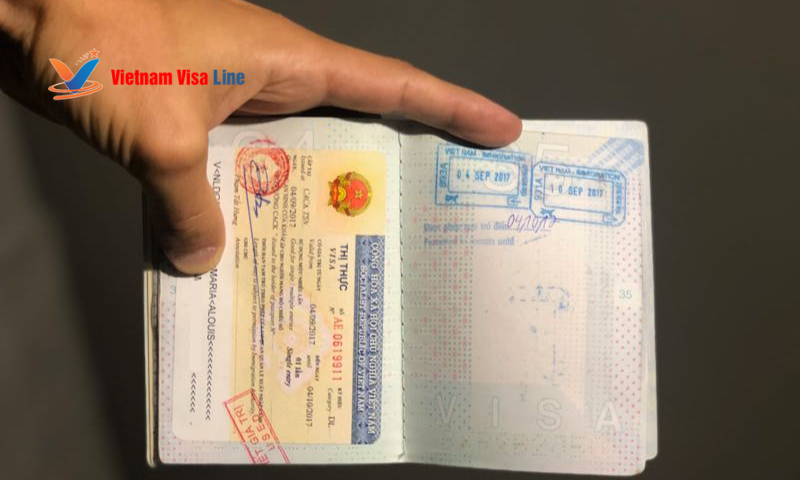
- Embassy or consular visa: May be required for certain travel purposes or circumstances not covered by an e-visa.
- Special Phu Quoc exemption: Eligible travelers may visit Phu Quoc Island without a visa for up to 30 days, subject to specific entry conditions.
Vietnam e-visas can be issued for up to 90 days, but the actual validity depends on immigration approval. Indian travelers should check their passport details, travel dates, and visa conditions carefully and obtain the necessary approval before departure to avoid entry complications.
Vietnam Visa for Indians
E-Visa Application Route
Applying for a vietnam visa for indian citizens is straightforward when travelers prepare the required documents and use Vietnam’s official electronic visa portal. The process is completed online, without needing to visit an embassy for a standard e-visa application.
Step 1: Prepare the Required Documents
Before starting the application, Indian passport holders should prepare:
- Valid passport: An Indian passport with at least six months of validity remaining from the intended arrival date.
- Passport photograph: A recent, clear portrait photo, generally 4 × 6 cm, with a plain background.
- Passport information page: A clear digital image showing personal details and the machine-readable lines.
- Travel information: Intended entry and departure dates, travel purpose, and accommodation details where requested.
- Email and payment method: A valid email address and a suitable payment method for the application fee.
All information must match the passport exactly, especially the applicant’s full name, date of birth, and passport number.
See more: BNO Vietnam Visa: Requirements and Application Guide for BNO Passport Holders
Step 2: Complete the Online E-Visa Application
Indian travelers can submit their applications directly through the official Vietnam Immigration Department website.
The process involves:
- Visit evisa.gov.vn and select the application option for foreign individuals.
- Upload the required portrait photograph and passport information page.
- Enter personal details, passport information, travel dates, and the requested visa type.
- Review the application carefully before submitting it.
- Pay the government e-visa fee using the available payment options.
After submission, keep the registration code and related application details. They may be needed to check the application’s status.
Vietnam Visa for Indians
Step 3: Check the Result and Download the E-Visa
Once the application has been submitted, travelers should monitor its status through the official portal.
- Track the application: Use the registration information requested by the system.
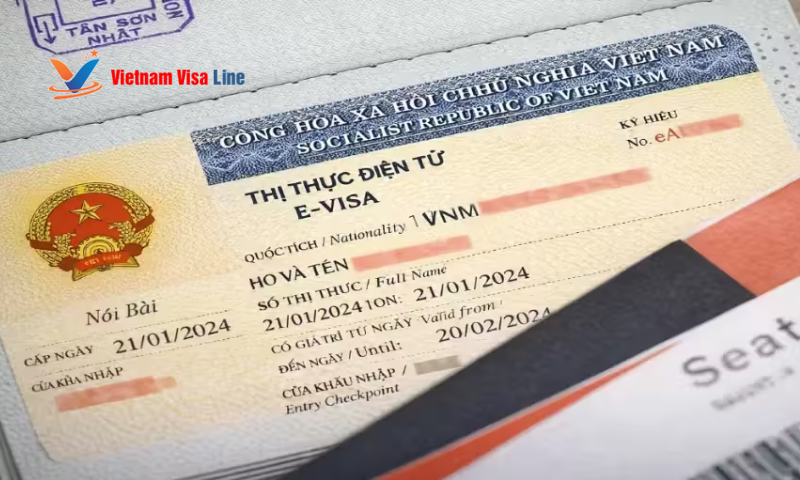
- Review the approval: Check the name, passport number, nationality, and visa validity dates.
- Download the e-visa: Save the approved document and print a copy for travel.
- Correct discrepancies: Contact the appropriate immigration support channel if the approved details contain errors.
Travelers should receive approval before departure. Submitting an application or paying the fee does not itself authorize entry into Vietnam.
Fees, Timing and Common Mistakes
The cost and processing time of a Vietnam e-visa are important considerations when planning a trip from India. Applying early and reviewing the information carefully can help reduce unnecessary delays.
Vietnam E-Visa Fees for Indian Citizens
The official government fees depend on the number of entries requested.
| Visa type | Maximum validity | Government fee |
| Single-entry e-visa | Up to 90 days | USD 25 |
| Multiple-entry e-visa | Up to 90 days | USD 50 |
Travelers should also consider:
- Non-refundable fees: Government e-visa fees are generally not refunded if an application is refused.
- Additional service fees: Third-party application assistance may involve separate charges.
- Entry selection: A multiple-entry visa may be more suitable for an itinerary involving return visits to Vietnam.
The approved visa validity may be shorter than 90 days, depending on the dates and conditions of the issued document.
Vietnam Visa for Indians
Processing Time and When to Apply
Vietnam’s standard administrative processing period for an e-visa is generally three working days after receipt of a complete application and fee. However, travelers should not treat this as a guaranteed approval timeline.
Important considerations include:
- Apply in advance: Submit the application well before the intended departure date, preferably with at least one or two weeks available.
- Allow for delays: Additional checks, incomplete information, and public holidays may affect processing.
- Monitor the status: Check the official e-visa portal regularly until a decision is available.
- Avoid unconfirmed travel assumptions: Do not rely on a pending application as proof of entry permission.
Applying early gives travelers additional time to address unexpected issues without disrupting their travel plans.
See more: Vietnam E-Visa Hong Kong Passport Holders
Common Application Mistakes to Avoid
Incorrect or incomplete information can cause processing difficulties, particularly when passport details and travel dates do not match.
Common mistakes include:
- Incorrect personal details: Misspelled names, wrong passport numbers, or inaccurate dates of birth.
- Poor-quality documents: Blurry passport scans, cropped information, or unsuitable portrait photographs.
- Wrong visa selection: Choosing single entry when the itinerary requires multiple entries.
- Incorrect validity dates: Requesting a visa period that does not cover the complete trip.
- Using unofficial websites unknowingly: Confusing third-party services with Vietnam’s official government application portal.
Reviewing the application before payment is one of the simplest ways to reduce avoidable errors.
Vietnam Visa for Indians
Arrival and Document Checklist
After receiving an approved Vietnam e-visa, Indian travelers should carefully check their documents and entry arrangements before departure. Preparing the necessary paperwork helps avoid problems during airline check-in and immigration clearance.
- Original passport: Carry the same passport used for the e-visa application, with at least six months of validity remaining.
- Approved e-visa: Print a clear copy and verify that all personal details match the passport.
- Travel itinerary: Prepare flight reservations and onward or return travel information if requested.
- Accommodation details: Keep hotel booking confirmations or the address of your intended stay in Vietnam.
- Visa validity dates: Ensure your arrival and departure fall within the approved visa period.
- Permitted entry points: Confirm that your arrival airport or border crossing accepts e-visa holders.
- Number of entries: Check whether your visa allows a single entry or multiple entries, especially if visiting neighboring countries.
- Supporting documents: Carry any additional documents relevant to your travel purpose.
If you discover incorrect e-visa details or experience processing delays, contact the Vietnam Immigration Department before departure. In case of a lost passport while in Vietnam, report the incident to local police and contact the Indian Embassy or Consulate for assistance. Keeping digital copies of essential documents can also make unexpected situations easier to manage.
Get Vietnam Visa Assistance with Visa Vietnam Online 247
Understanding the Vietnam Visa for Indians requirements helps travelers prepare the correct documents, choose the appropriate visa type, and avoid common application errors. Most ordinary Indian passport holders need an approved visa before traveling to Vietnam, with the e-visa offering a convenient option for eligible short-term visits.
If you need help understanding visa requirements, reviewing your application information, or choosing between single-entry and multiple-entry options, Visa Vietnam Online 247 can assist you with the preparation process. Checking your documents and applying in advance will help make your trip to Vietnam more convenient and well organized.
 (+84) 9138 73100
